Understanding the Basics of Garden Pond Care
A garden pond is not just a beautiful feature in your backyard; it's also an ecosystem that requires care and attention. To maintain a healthy and stunning pond, it’s essential to understand its components and the necessary upkeep involved.
Key Components of a Healthy Pond
- Water Quality: The clarity and purity of your pond water are vital. Regular testing for pH, ammonia, nitrites, and nitrates can help you understand the health of your pond.
- Filtration System: An efficient filtration system keeps the water clean and the fish safe. Consider using mechanical and biological filters to combat waste and provide oxygen.
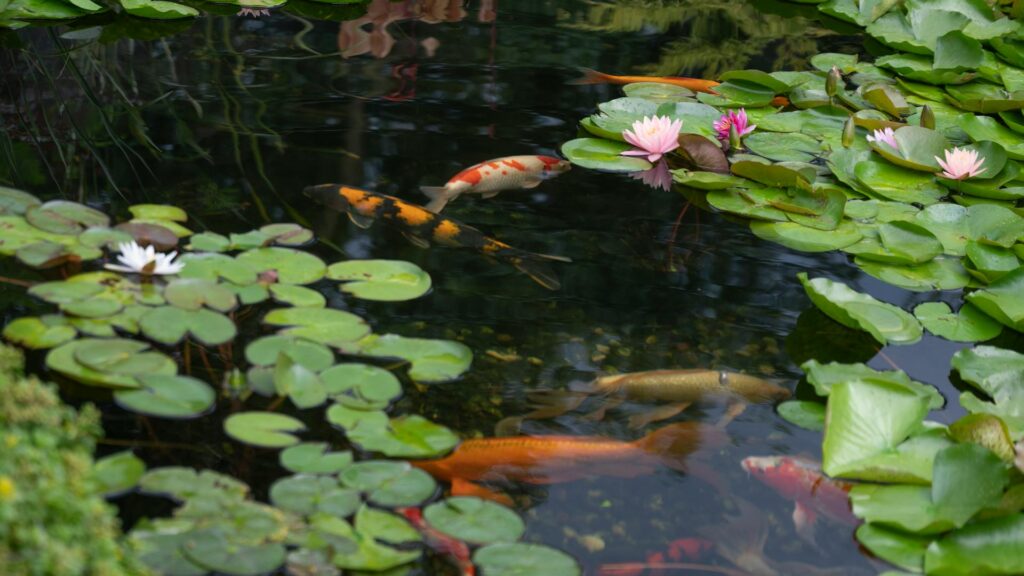
- Plants: Aquatic plants like water lilies and duckweed not only beautify your pond but also help maintain water quality by absorbing excess nutrients.
- Fish: Adding fish can enhance your pond's ecosystem. Koi and goldfish are popular choices but ensure they are appropriate for your pond size and depth.
Regular Maintenance Tasks for Your Pond
Maintaining a garden pond involves several regular tasks that can prevent problems and keep your pond healthy.
1. Clean the Pond Regularly
A clean pond is essential for the health of your fish and plants. Here’s how to keep it clean:
- Remove debris such as leaves and twigs; this helps prevent algae growth.
- Vacuum the pond bottom at least once a season.
- Check and clean the filter according to the manufacturer’s instructions.
2. Control Algae Growth
Algae can quickly take over your pond, leading to poor water quality. Here are some effective control methods:
- Limit nutrient input: Avoid overfeeding fish and adding excess fertilizers to surrounding plants.
- Introduce beneficial bacteria that can outcompete algae.
- Use UV clarifiers to reduce algae by targeting the algae cells in the water.
3. Monitor Fish Health
Your fish are an important part of your pond's ecosystem. Here’s how to ensure they stay healthy:
- Avoid overcrowding your pond with too many fish.
- Check for signs of illness, such as unusual swimming patterns or spots on their bodies.
- Provide proper winter care by ensuring ponds do not freeze completely.
Seasonal Considerations for Your Garden Pond
Each season brings its own challenges and tasks for maintaining a garden pond. Understanding these seasonal needs can help keep your pond thriving year-round.
Spring Care
- Start by cleaning debris and checking equipment such as pumps and filters.
- Introduce new plants to enhance biodiversity.
- Monitor water temperatures as they rise, which can affect fish behavior.
Summer Care
- Regularly check water levels and top up if necessary due to evaporation.
- Watch for algae and take action as needed.
- Consider shade options for the pond to regulate temperature.
Fall Care
- Remove falling leaves and debris to prevent them from decomposing in the water.
- Prepare your fish for winter by reducing feed and monitoring their behavior.
Winter Care
- Use a pond heater or aerator to prevent the pond from freezing completely.
- Limit feeding as fish become less active.
- Check for ice buildup that could potentially harm aquatic life.
Recommended Products for Pond Care
To effectively maintain your pond, consider these product types:
Creating and maintaining a beautiful garden pond doesn't have to be overwhelming. With regular care, attention to water quality, and understanding the seasonal requirements, you can enjoy a stunning, thriving pond all year round. Equip yourself with the right tools and knowledge, and you’ll find that pond care can be a rewarding hobby!
