
A thriving garden pond doesn’t happen by luck — it happens because the water beneath the surface is balanced, clean, and stable. Whether you keep koi, goldfish, aquatic plants, or simply enjoy the peaceful ambiance of a backyard water feature, regular pond water testing is one of the most important steps in pond maintenance.
Consistent testing helps prevent algae blooms, fish stress, murky water, and costly repairs. Let’s explore why pond water testing matters and how it protects your pond year‑round.
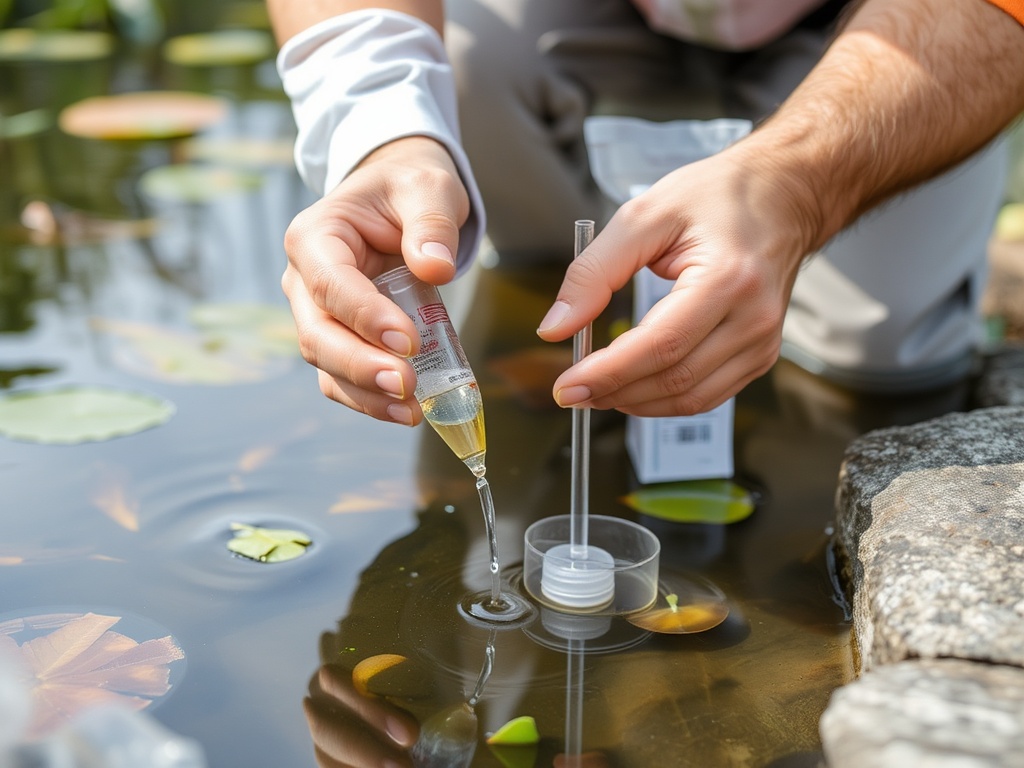 Testing frequency depends on your pond’s age and stocking levels:
• New ponds: 2–3 times per week
• Established ponds: Once per week
• After heavy rain, cleaning, or adding fish: Test immediately
• During hot weather: Test more often due to oxygen fluctuations
Consistency is the key — small, regular checks prevent big, expensive problems.
Testing frequency depends on your pond’s age and stocking levels:
• New ponds: 2–3 times per week
• Established ponds: Once per week
• After heavy rain, cleaning, or adding fish: Test immediately
• During hot weather: Test more often due to oxygen fluctuations
Consistency is the key — small, regular checks prevent big, expensive problems.
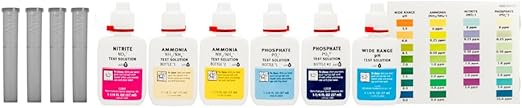 Not all test kits are created equal. Look for:
- Liquid test kits (more accurate than strips)
- Tests for ammonia, nitrite, nitrate, pH, KH, and GH
- Easy‑to‑read color charts
- Reliable brand reputation
A high‑quality pond water test kit is one of the most valuable tools a pond owner can own.
Helpful Amazon Tools:
- API Pond Master Test Kit
- Liquid KH/GH Test Kit
- Digital pH Meter (optional)
Not all test kits are created equal. Look for:
- Liquid test kits (more accurate than strips)
- Tests for ammonia, nitrite, nitrate, pH, KH, and GH
- Easy‑to‑read color charts
- Reliable brand reputation
A high‑quality pond water test kit is one of the most valuable tools a pond owner can own.
Helpful Amazon Tools:
- API Pond Master Test Kit
- Liquid KH/GH Test Kit
- Digital pH Meter (optional)
 Quality pond water testing isn’t just a maintenance task — it’s the foundation of a thriving pond ecosystem. By monitoring key parameters and catching issues early, you’ll enjoy:
- Clearer water
- Healthier fish
- Fewer algae problems
- Stronger plants
- A more stable, beautiful pond year‑round
A few minutes of testing each week can save you hours of troubleshooting later.
Quality pond water testing isn’t just a maintenance task — it’s the foundation of a thriving pond ecosystem. By monitoring key parameters and catching issues early, you’ll enjoy:
- Clearer water
- Healthier fish
- Fewer algae problems
- Stronger plants
- A more stable, beautiful pond year‑round
A few minutes of testing each week can save you hours of troubleshooting later.
Why Water Quality Matters for Your Pond Ecosystem
Your pond is a living ecosystem. Even if the water looks clear, invisible imbalances can harm fish, stunt plant growth, or trigger algae outbreaks. Pond water testing helps you catch these issues early. Healthy water supports: - Strong fish immune systems - Balanced beneficial bacteria - Clear, algae‑free water - Thriving aquatic plants - Stable oxygen levels Poor water quality is the root cause of most pond problems — from cloudy water to fish illness.The Most Important Water Parameters to Test
Testing your pond water isn’t complicated, but knowing what to test is essential. When performing pond water testing, these are the key parameters to monitor: ### **1. pH Levels** Affects fish health and nutrient availability. **Ideal range:** 6.8–8.2 ### **2. Ammonia** Highly toxic to fish; spikes after overfeeding or filter issues. **Ideal level:** 0 ppm ### **3. Nitrite** Produced during the nitrogen cycle; harmful even at low levels. **Ideal level:** 0 ppm ### **4. Nitrate** High nitrate fuels algae growth. **Ideal range:** 20–40 ppm ### **5. KH (Carbonate Hardness)** Prevents sudden pH swings. **Ideal range:** 80–150 ppm **6. GH (General Hardness)** Supports fish health and plant growth. **Ideal range:** 100–250 ppmHow Water Testing Protects Your Fish
Fish rely on stable, clean water to survive. Even small fluctuations can cause stress, making them more vulnerable to disease. Pond water testing helps you: - Catch ammonia spikes early - Prevent nitrite poisoning - Maintain oxygen levels - Avoid sudden pH crashes - Support strong immune systems Koi and goldfish produce more waste than most pond species, making consistent testing even more important.Water Testing Helps Control Algae Naturally
Algae blooms don’t happen randomly — they’re almost always caused by nutrient imbalances, especially high nitrate or phosphate levels. Regular pond water testing helps you: - Identify nutrient spikes early - Adjust feeding habits - Improve filtration - Add more aquatic plants to absorb excess nutrients This reduces your reliance on chemicals and keeps your pond clear the natural way.How Often Should You Test Your Pond Water?
Testing frequency depends on your pond’s age and stocking levels:
• New ponds: 2–3 times per week
• Established ponds: Once per week
• After heavy rain, cleaning, or adding fish: Test immediately
• During hot weather: Test more often due to oxygen fluctuations
Consistency is the key — small, regular checks prevent big, expensive problems.
Choosing the Right Water Test Kit
Not all test kits are created equal. Look for:
- Liquid test kits (more accurate than strips)
- Tests for ammonia, nitrite, nitrate, pH, KH, and GH
- Easy‑to‑read color charts
- Reliable brand reputation
A high‑quality pond water test kit is one of the most valuable tools a pond owner can own.
Helpful Amazon Tools:
- API Pond Master Test Kit
- Liquid KH/GH Test Kit
- Digital pH Meter (optional)
Healthy Water = A Healthy Pond
Quality pond water testing isn’t just a maintenance task — it’s the foundation of a thriving pond ecosystem. By monitoring key parameters and catching issues early, you’ll enjoy:
- Clearer water
- Healthier fish
- Fewer algae problems
- Stronger plants
- A more stable, beautiful pond year‑round
A few minutes of testing each week can save you hours of troubleshooting later.